
Relic Bag: Shadow Hunter


Editor‘s Review
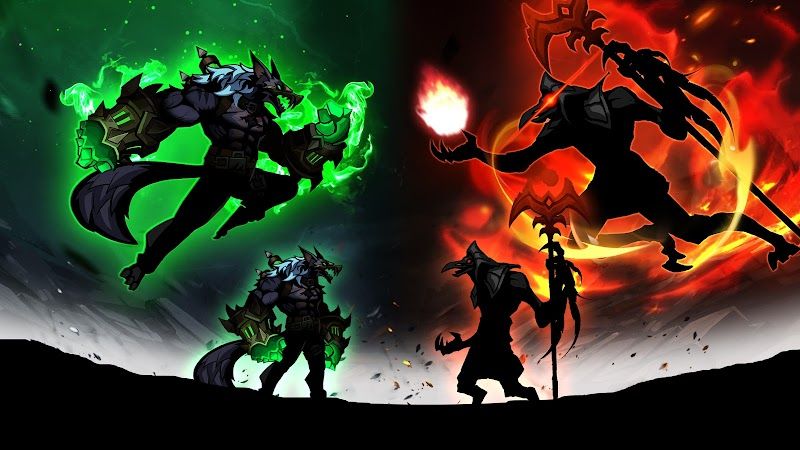
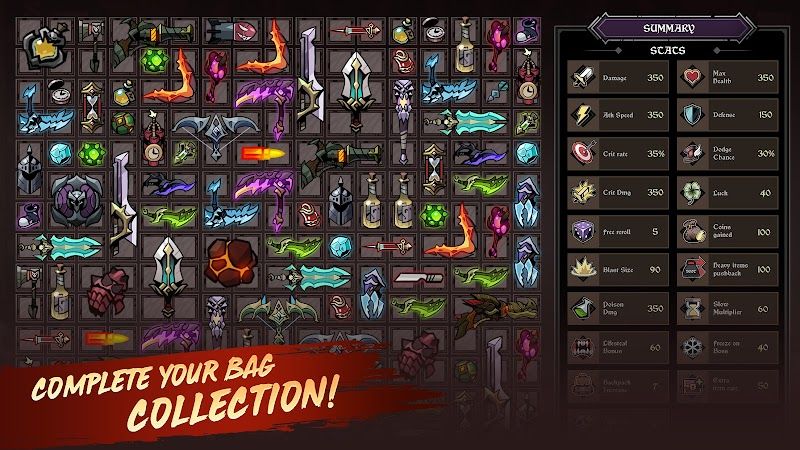
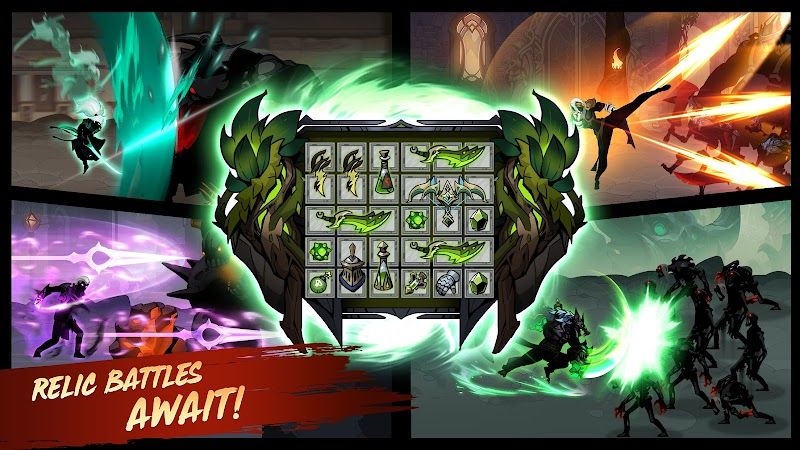
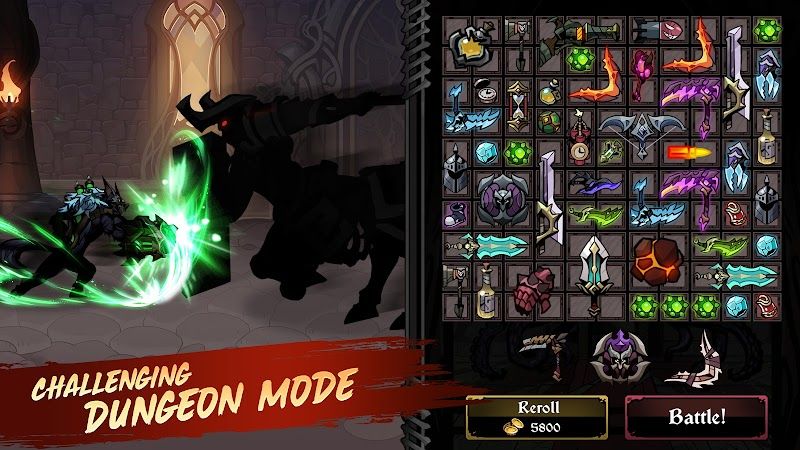
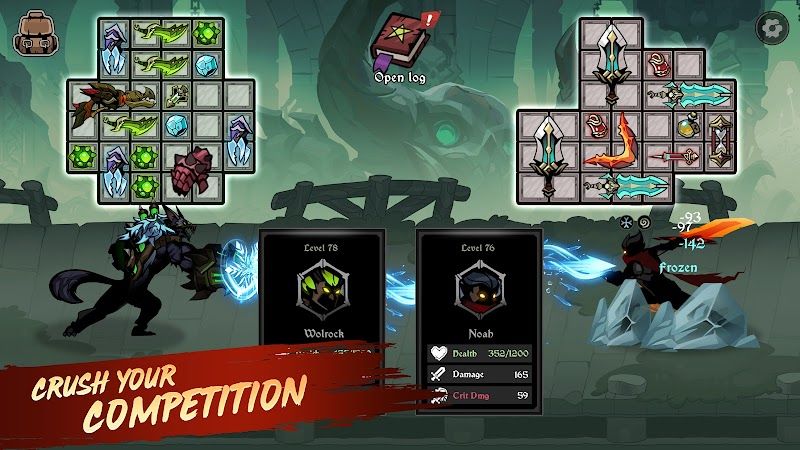
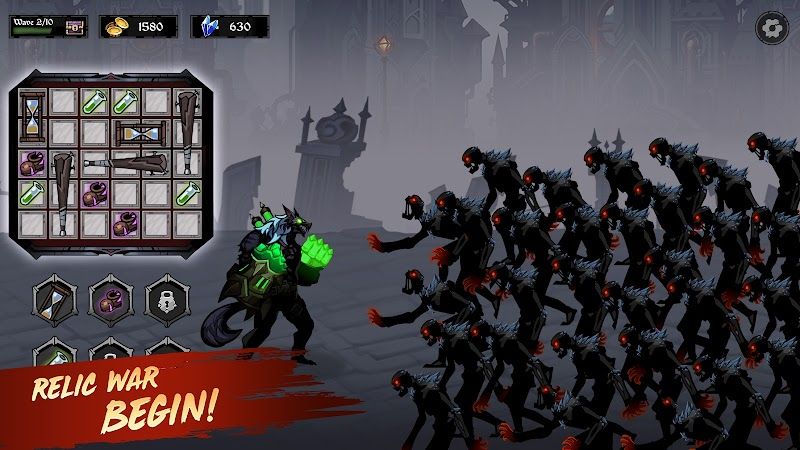
Relic Bag: Shadow Hunter structures its gameplay around a distinctive premise: stickman warriors must merge weapons within their relic bags before engaging shadow enemies in wave-based combat. Players combine identical items—bdz, knives, bazookas, lightsabers, and crossbows—into superior versions, unlocking deadly skills and enhanced combat capabilities. The 2D puzzle idle game features parkour animations, backflip maneuvers, and offline progression through ancient relic collection. Yet the game's most significant design paradox emerges not from its innovative merging mechanics but from its trait system, which offers apparent diversity while channeling players toward identical optimization paths.
The trait system initially appears robust. Multiple character growth trees provide various upgrade paths, suggesting players can specialize their shadow stickman warriors according to personal preferences. Traits affecting weapon damage, skill cooldowns, defensive capabilities, and special effects create the impression of meaningful choice. Crossbows offer freeze capabilities that could enable control-focused builds. Certain weapons provide area-of-effect damage suggesting crowd control specializations. The lightsaber's close-range mechanics versus the bazooka's explosive radius theoretically support different tactical approaches. This diversity promises experimentation and personalized playstyles where players discover unique combinations matching their combat preferences.
Reality diverges sharply from this promise. Despite trait variety, practical application reveals that pure damage-per-second optimization overwhelms alternative strategies. Players attempting freeze-focused crossbow builds discover that simply maximizing raw damage output through merged knives or bdz variants clears waves faster and more reliably. Those investing in defensive traits find offense consistently outperforms survivability. Area-of-effect specializations cannot compete with concentrated single-target damage against most enemy configurations. The trait system's structural problem lies not in insufficient options but in catastrophic imbalance where one approach—stacking offensive damage multipliers—dominates so thoroughly that alternatives become deliberately suboptimal choices.
This creates a peculiar advantage: new players experience initial excitement exploring trait combinations, believing they're discovering personal strategies. The learning phase feels engaging as players test different weapon merges and trait allocations. The illusion of strategic depth provides entertainment value during early progression, and some players may never recognize the optimization trap if they naturally gravitate toward damage-focused builds. Additionally, the straightforward "more damage solves everything" approach eliminates confusion for casual audiences who might struggle with complex synergistic systems requiring deep mechanical understanding.
Yet these minor advantages collapse against overwhelming disadvantages. Players investing time developing creative builds face frustrating dead ends where their carefully planned freeze compositions or defensive strategies simply cannot progress past certain difficulty thresholds. The separate character growth trees become meaningless when identical optimization paths apply across all warriors regardless of individual characteristics. Trait diversity transforms from feature into false advertising—players aren't choosing between viable alternatives but between optimal and handicapped approaches. This destroys replayability since subsequent playthroughs demand identical trait selections for efficiency.
Relic Bag: Shadow Hunter's trait system represents a cautionary tale in game design. Offering abundant choices means nothing when mathematical reality funnels players toward singular paths. True diversity requires balanced viability where freeze builds, tank builds, and damage builds each overcome challenges through distinct methods. Without this balance, trait selection becomes theatrical choice—visible options concealing invisible rails. The merging mechanics deserve better support through genuinely diverse progression systems rather than optimization theater masquerading as strategic depth.
By Jerry | Copyright © Game-Nook - All Rights Reserved


Recommended for you














Featured games







Featured videos
-
BEES FIGHT Alex and Steve Life (Minecraft Animation)
170,584,644 views13:17 -
Monster School : SIREN HEAD RIP WITHER GIANT APOCALYPSE ATTACK ESCAPE - Minecraft Animation
173,076,440 views13:17 -

Minecraft: 15+ Summer Build Hacks!
80,905,186 views9:10 -
Zombies vs The Most Secure House - Minecraft
26,948,764 views16:13 -

Snoopy the Tree
1,821,539 views8:24 -

The Peanuts Movie - Snoopy Memorable Moments
366,935 views17:59 -

The Peanuts Movie "Get Down with Snoopy and Woodstock - Opening" Clip
13,793,592 views2:24 -

Snoopy and Woodstock - Compilation 5
449,318 views5:00 -
Super Mario vs Sonic the Hedgehog Animation - MULTIVERSE WARS!
141,668,623 views7:51 -

[SFM] Mario's NightMare
138,028,554 views4:46
Comments
Comments(0)